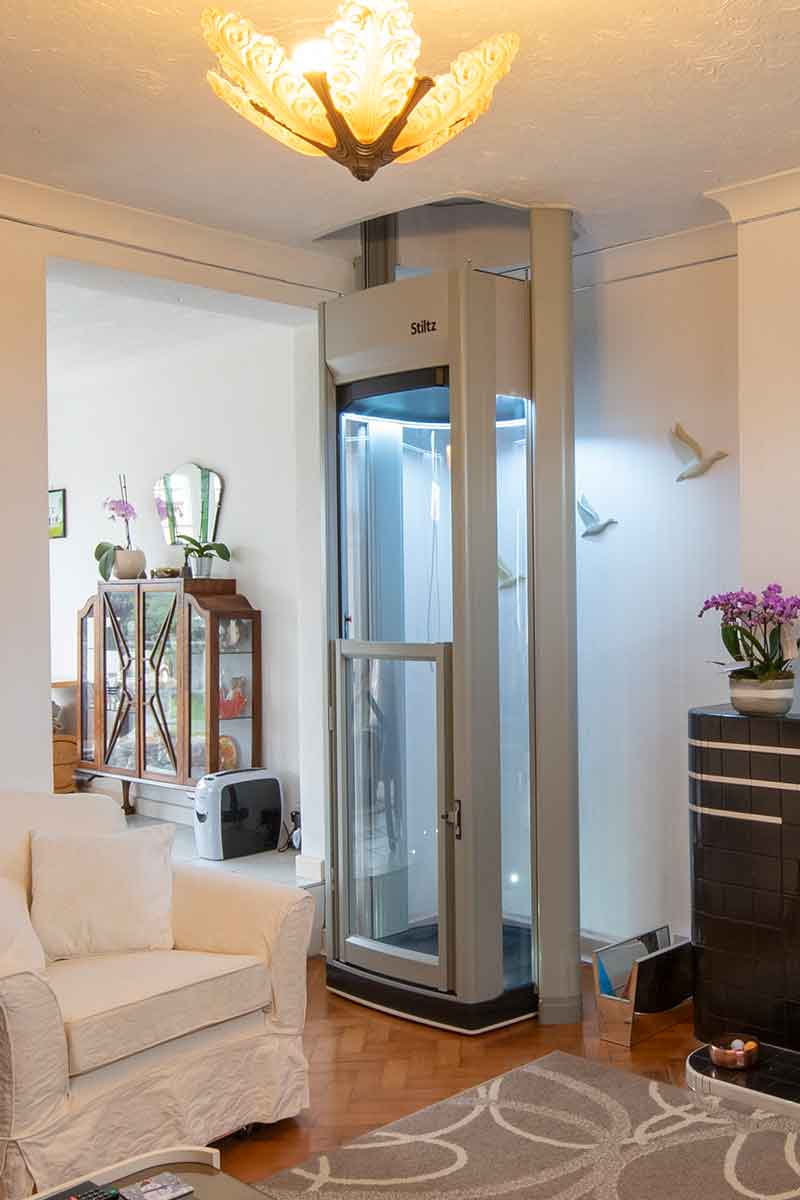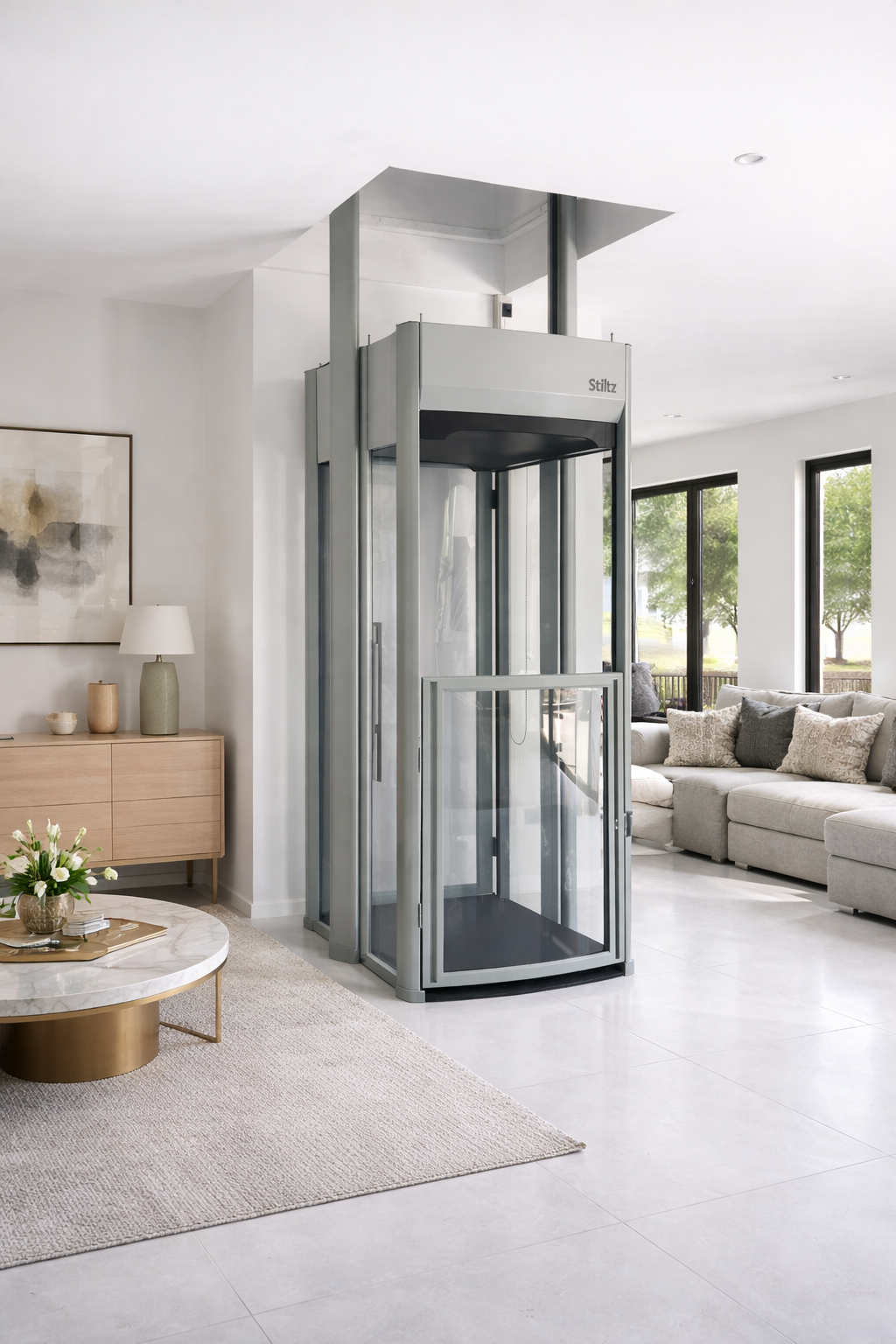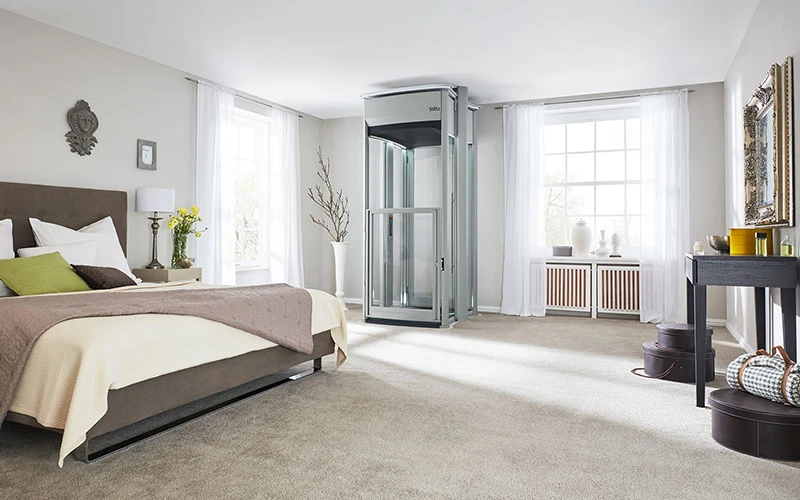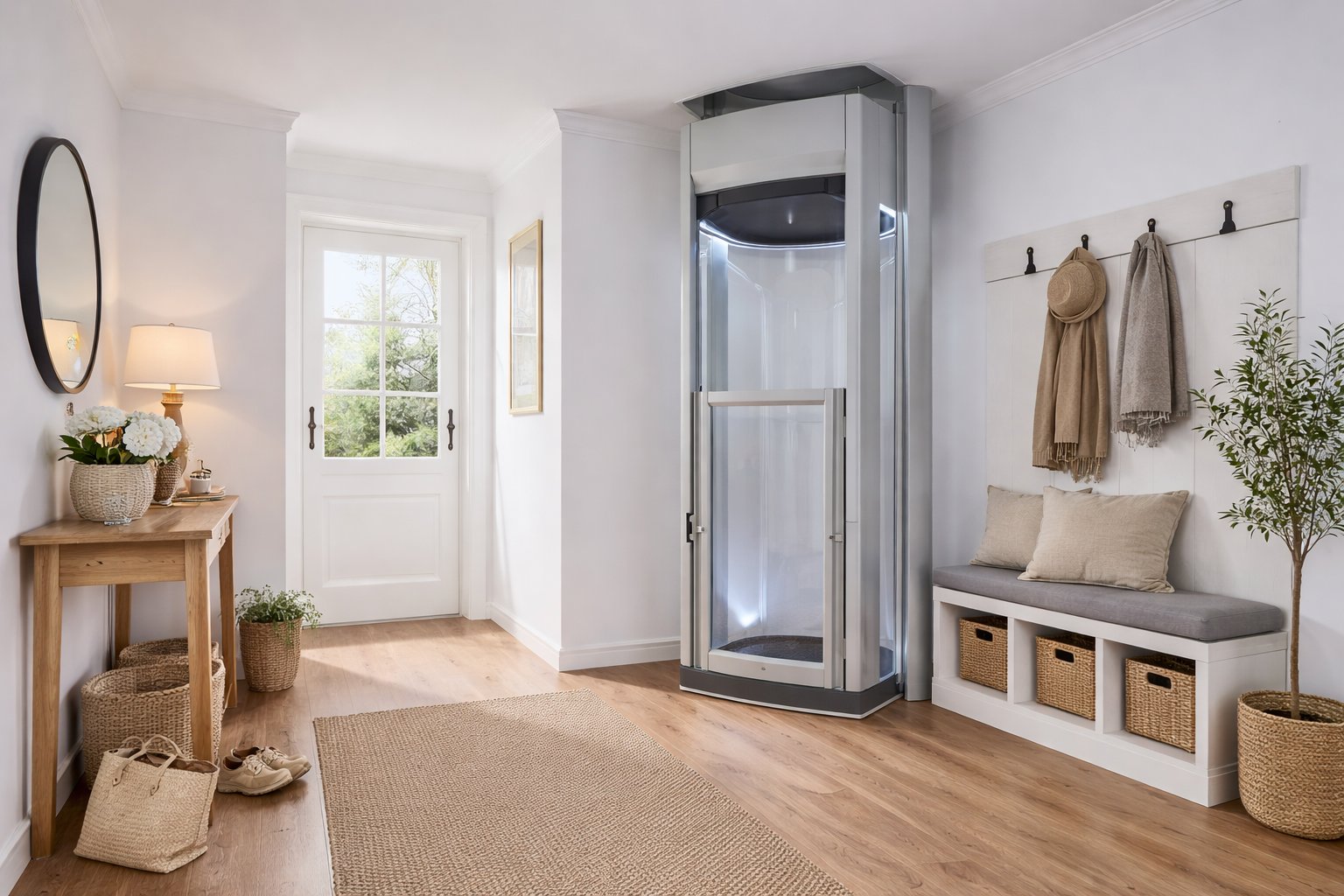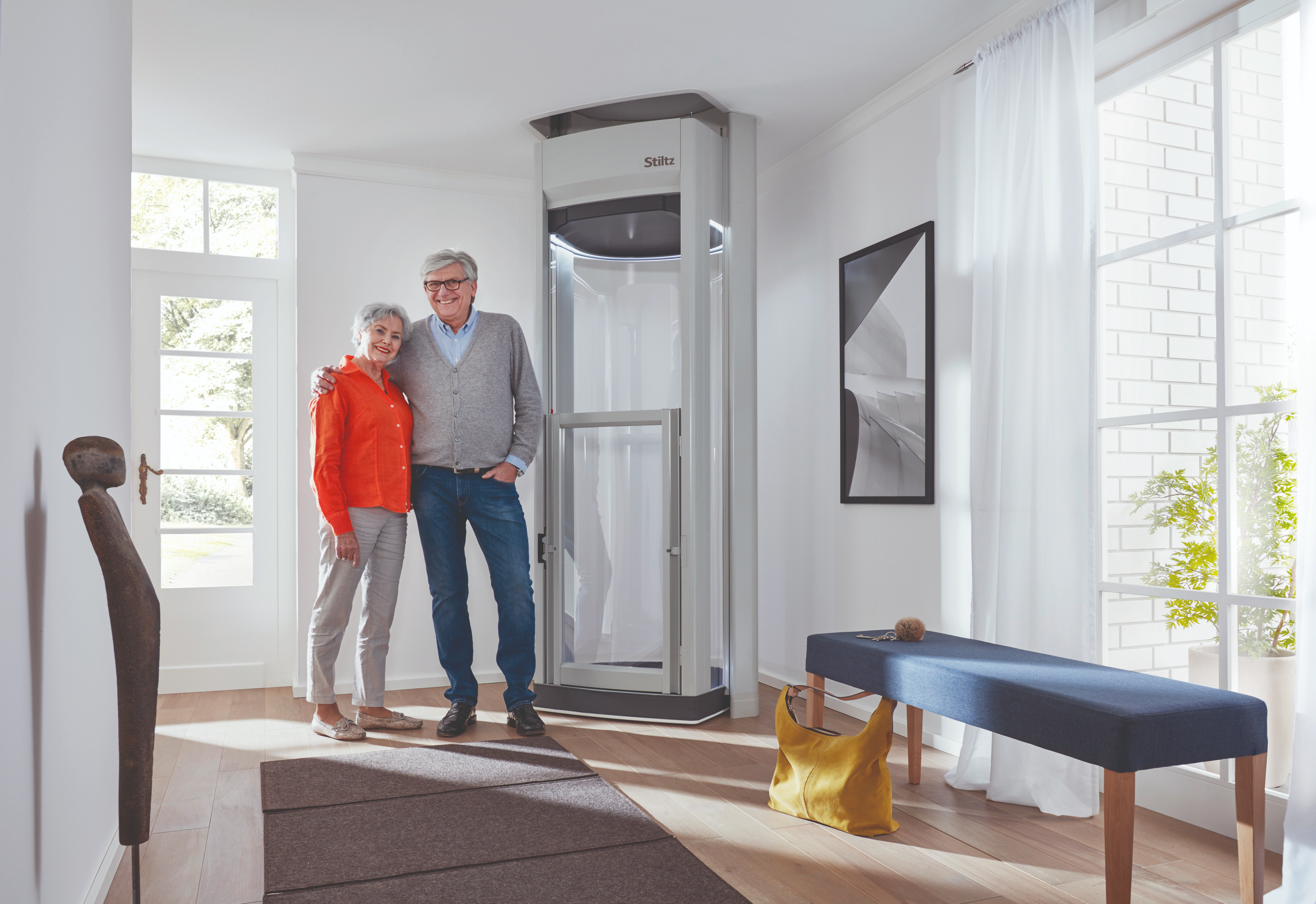
We understand that choosing a home lift is a big decision — one that takes time, careful thought, and plenty of questions. That’s why we’ve put together this FAQ page to help guide you through the most common concerns and curiosities our customers have. We hope this information gives you greater confidence and brings you one step closer to finding the right lift — and the right team — for your home.


1. Product Overview & Features
Q1: What is a Stiltz Home Lift?
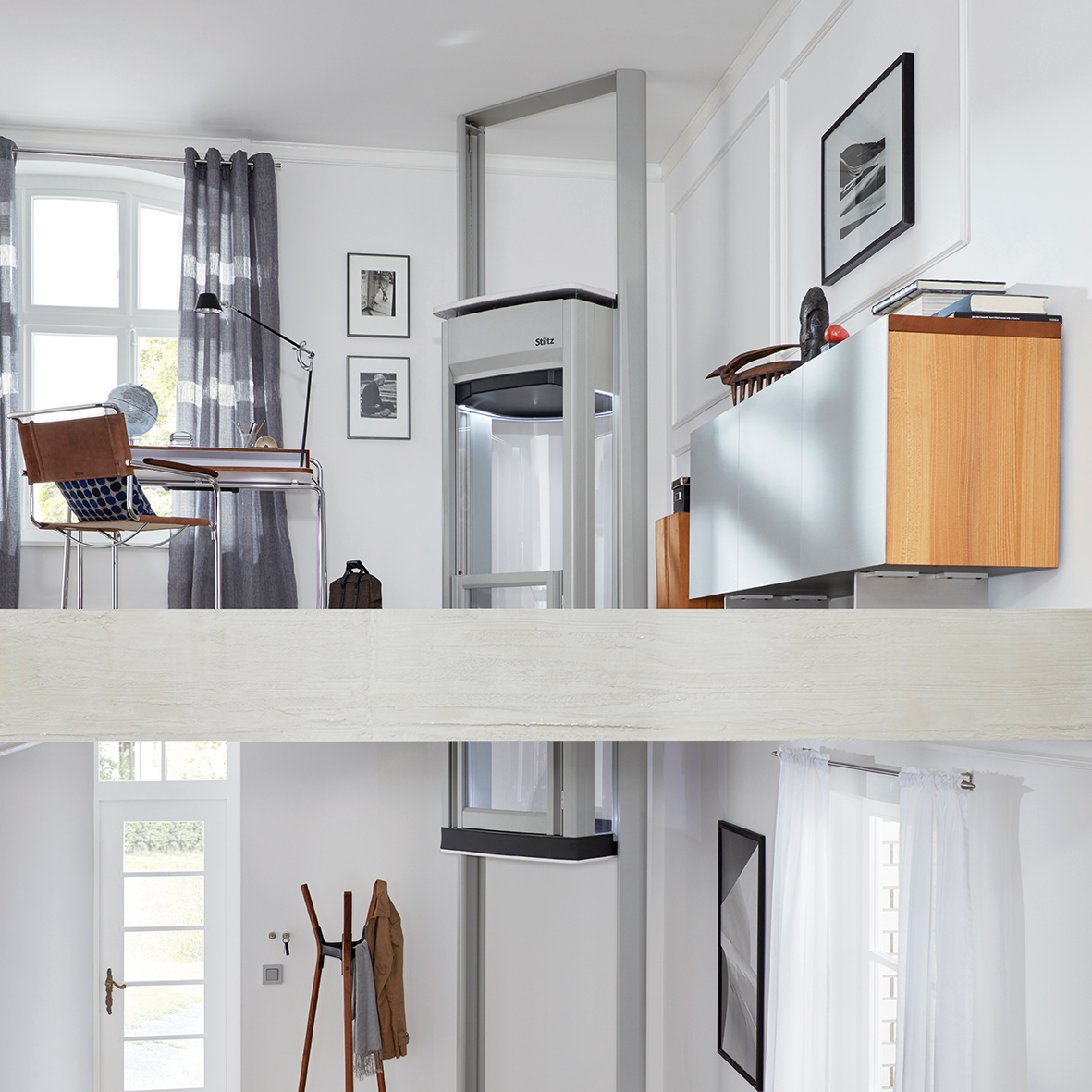
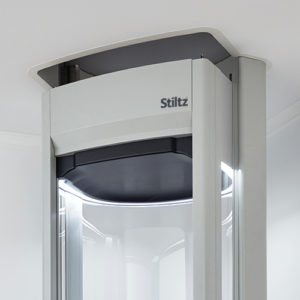
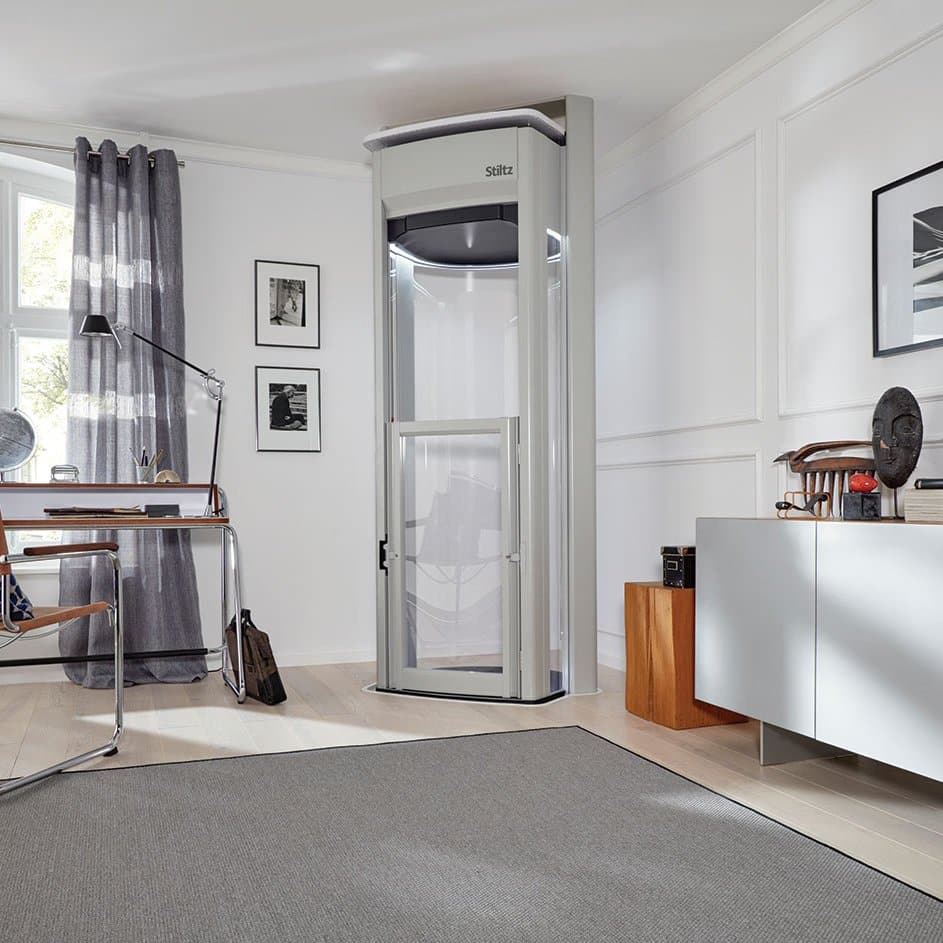
A Stiltz Home Lift is a compact, self-supporting domestic elevator designed to help you move easily between floors in your home. Unlike traditional elevators, it does not require a machine room, pit, or shaft, making it ideal for retrofitting into existing homes.
Q2: What models are available?
We offer the Duo (for 1–2 people) and the Trio (spacious enough for a wheelchair or 3 passengers). Each model is designed to suit different space and accessibility needs.
Q3: Can I customize the lift’s design?
Yes. Stiltz lifts can be customized in terms of a fold-down seat, interior grab rail, or choose a full-height door for your extra safety. You can also personalize the colour, interior lining, and rails with bespoke finishes (Classic range only).
2. Space & Installation Requirements
Q4: How much space does a Stiltz lift require?
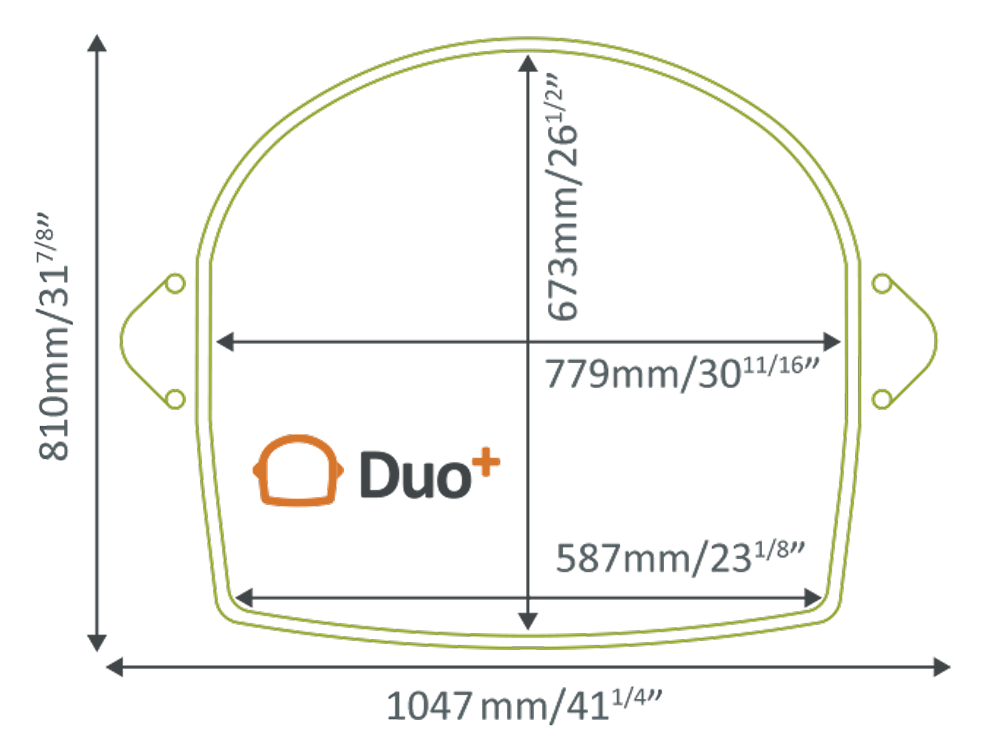
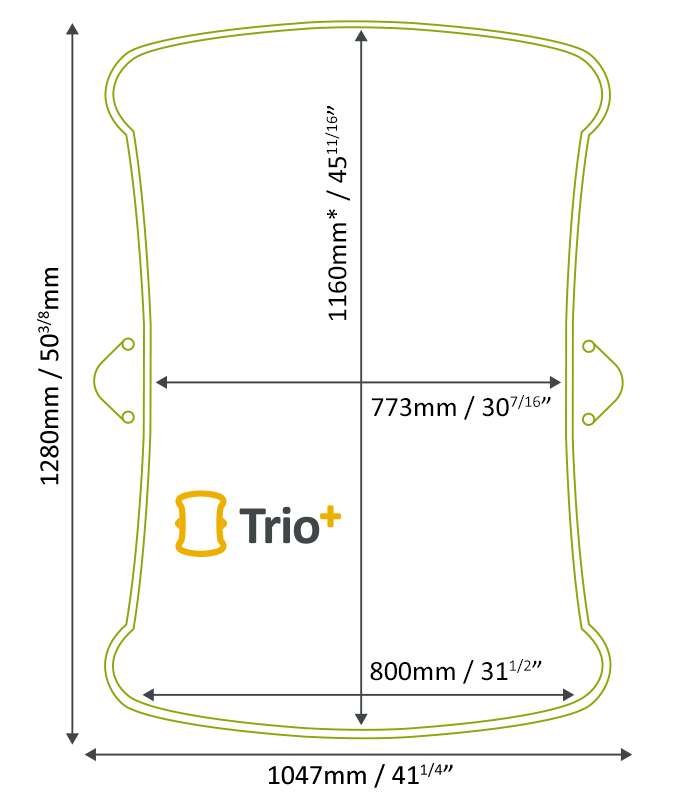
The Duo lift needs a footprint of about 0.8 m², while the Trio requires roughly 1.3 m². They’re among the smallest residential lift footprints on the market.


Q5: Where can it be installed in the home?
Stiltz lifts can be installed almost anywhere — from living rooms to bedrooms, stairwell voids, cupboards, or even garages. No load-bearing walls or major structural work needed.
Q6: Do I need any structural changes?
Stiltz lifts has its own self-supporting structure, the Stiltz lift does not need load-bearing walls or a shaft. Only a small opening in the floor and electrical connection is required.
3. Power, Energy & Noise
Q7: How is the lift powered?
It runs on standard household electricity (220–240V). No special power supply or wiring is needed.
Q8: How much electricity does it use?
Power consumption is similar to a typical household appliance — about the same as a kettle or microwave when in use, and zero when idle.
Q9: Is the lift noisy?
No. The lift is designed to run quietly with smooth start and stop functionality. Most users describe the sound as a low hum — around 50 decibels, similar to a quiet conversation.
Here’s a video so you can see how the lift operates and hear the actual noise it makes. Check it out!
4. Safety & Reliability


Q10: Is the Stiltz lift safe to use daily?
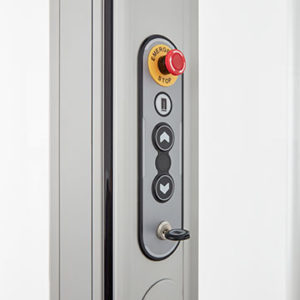
Absolutely. It has multiple built-in safety features including sensors, emergency stop buttons, and battery backup in case of power failure.
Q11: What safety systems are included?
Stiltz lifts are equipped with:
-
Obstruction sensors
-
Safety lid with interlocks
-
Emergency lowering function
-
Fall-arrest safety mechanism
-
Smoke/Fire sensors (optional)
-
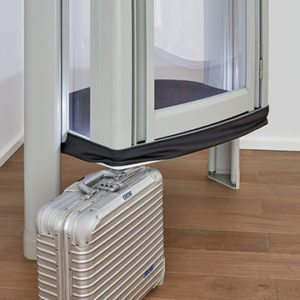
Safety edges and light curtains
Q12: What happens if the power goes out?
The lift will gently descend to the lowest floor using the battery backup system, ensuring the user is never stuck.
5. Usage & Capacity
Q13: Can I use the lift with a wheelchair?
Yes. The Trio model is specifically designed to accommodate a full-size wheelchair and a caregiver. It includes a small integrated ramp for easy access, and a curved front door to provide extra foot space for the wheelchair user, ensuring a more comfortable and user-friendly ride.
Q14: What is the maximum weight limit?
The Duo supports up to 170kg, while the Trio can carry up to 250kg.
6. Maintenance & Servicing
Q15: How often does the lift need to be serviced?
We recommend a professional service once a year to keep your lift running smoothly and safely. Don’t worry — if you ever notice anything unusual, like a change in sound or motion, our support team is just a call away to help.
Q16: What is the warranty period?
Our lifts come with a standard 1-year warranty, which covers parts and labor. Extended warranties & repair are available on request.
Q17: How long does installation take?
Installation is usually completed in just 1–2 days. However, timing may vary depending on your home’s structure.
Our professional team will assess your space carefully and provide the best solution possible — delivering efficient, expert service with minimal disruption to ensure a smooth and comfortable experience.
7. Legal & Financial
Q18: Do I need planning permission?
In many cases, planning permission isn’t required — but it’s important to check with your local county government or relevant authorities, as regulations can vary. Even if formal approval isn’t needed, your installation must still meet building standards for safety and accessibility. Our team can assist with guidance and ensure everything is handled correctly.
Q19: Is there any financial aid available in Kenya?
While there are currently no nationwide subsidies specifically for home lifts, some individuals may qualify for support through disability or accessibility-related programs offered by NGOs or county-level initiatives. We recommend checking with your local county government or relevant organizations. Our team is happy to guide you on what options may be available.
8. Routine User Maintenance
Q20: What routine maintenance should I do as a homeowner?
-
Check for obstructions around the lift’s base and entry points regularly.
-
Lightly dust the lift’s interior and guiding rails (don’t use water or chemicals).
-
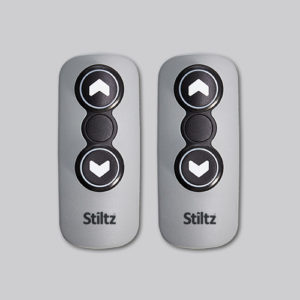
Inspect the remote control battery and replace if unresponsive.
-
Avoid overloading or transporting heavy furniture or tools.
-
Listen for unusual sounds and contact support if anything seems off.
Still Have Questions?
If you still have any questions, feel free to contact us — our friendly and professional team is here to help. We’re committed to providing the best service possible and will guide you every step of the way.